

Denise Amankwah, doctoral researcher from the University of Essex, shares her view on youth voices for International Mother Language Day 2026
On International Mother Language Day (IMLD), many of us working in multilingual education celebrate the day by developing, refreshing or sharing our resources that showcase the linguistic diversity of the young people we support. Those working outside of schools may have even attended or will attend celebratory events. I commend all of these efforts! This type of work in schools and beyond plays an important role in signalling that pupils’ family languages are important. But how often do we plan multilingual initiatives with young people, rather than for them?
My PhD research is exploring the linguistic experiences of young people with African heritage in UK schools. While my focus is on a specific language group, some of the early findings will likely resonate more widely. An interesting observation so far relates to pupils’ language data. In several cases, the languages recorded in school statistics do not fully reflect the languages pupils themselves described speaking or hearing at home to me. Some young people shared languages in our interactions that were completely absent from official school data. Others described multilingual practices that were more fluid and complex than the single ‘home language’ labels could capture.
For a number of reasons, among the participants in my research project, some families only tell part of their child(ren)’s linguistic repertoires. For those of us working in education, this means that we may not want to rely solely on parent-reported language data to truly understand the multilingualism of young people. This is one of the many reasons why youth voice matters – young people can be an important (and sometimes more reliable) source of insight into their own language profiles.
In my work, I came across a small-scale study by Albaugh and Poarch (2025), which found that the pupils in Dutch schools who completed their survey generally had quite neutral feelings regarding their heritage languages being included in their classrooms – they were not positively for it or negatively against it. As someone advocating for more pupil language inclusion in school spaces, I was quite surprised! While I have critical thoughts on how that result came about, it still serves as a useful reminder: we cannot assume we already know what meaningful inclusion looks like from a young person’s perspective.
We need to ask them.
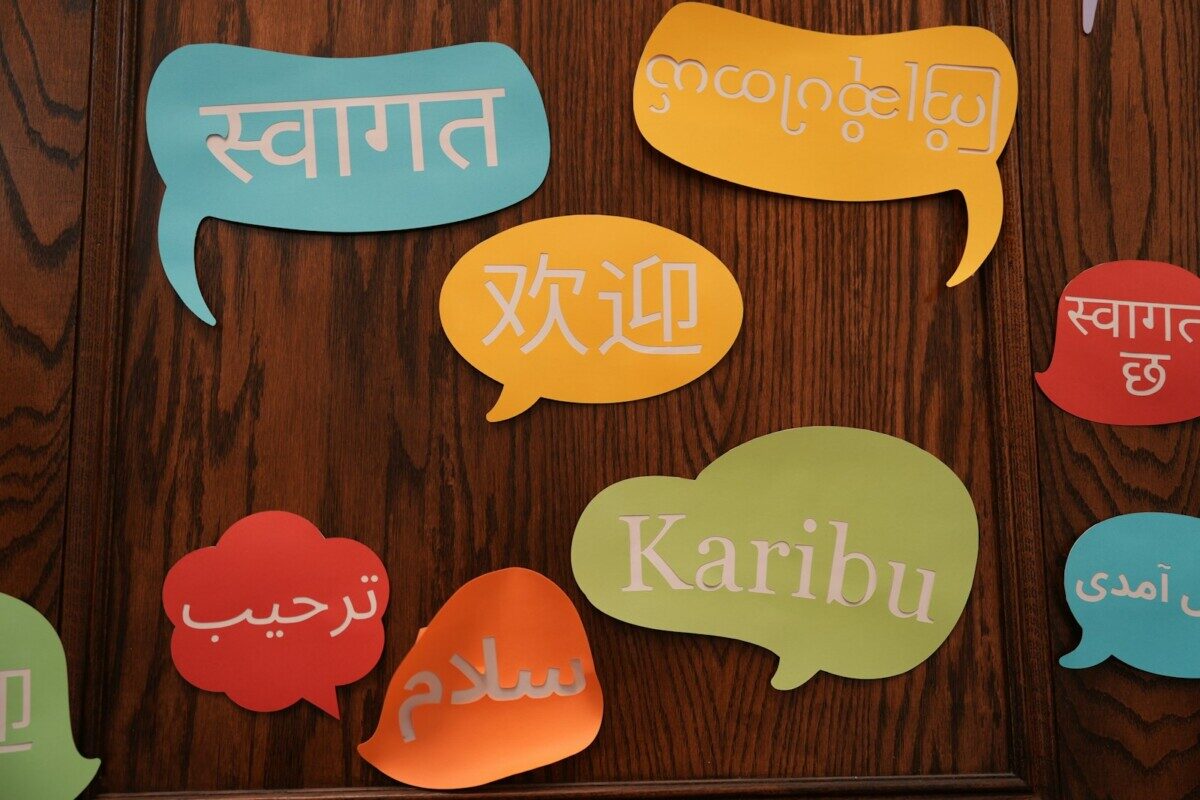
In most of the schools I visited, pupils’ multilingualism was evidenced through adult-led initiatives such as welcome signs, ‘language of the month’ boards or cultural assemblies. For some African heritage languages, literacy practices were weak across generations, meaning that written content alone was not always an accessible or meaningful way to represent linguistic diversity for these students (or their families).
What could we do to move beyond symbolic celebration? I would suggest that we try asking young people:
- How would you like your language(s) to be recognised and celebrated?
- Where would you like to see or hear them?
- What makes you feel that your languages belong?
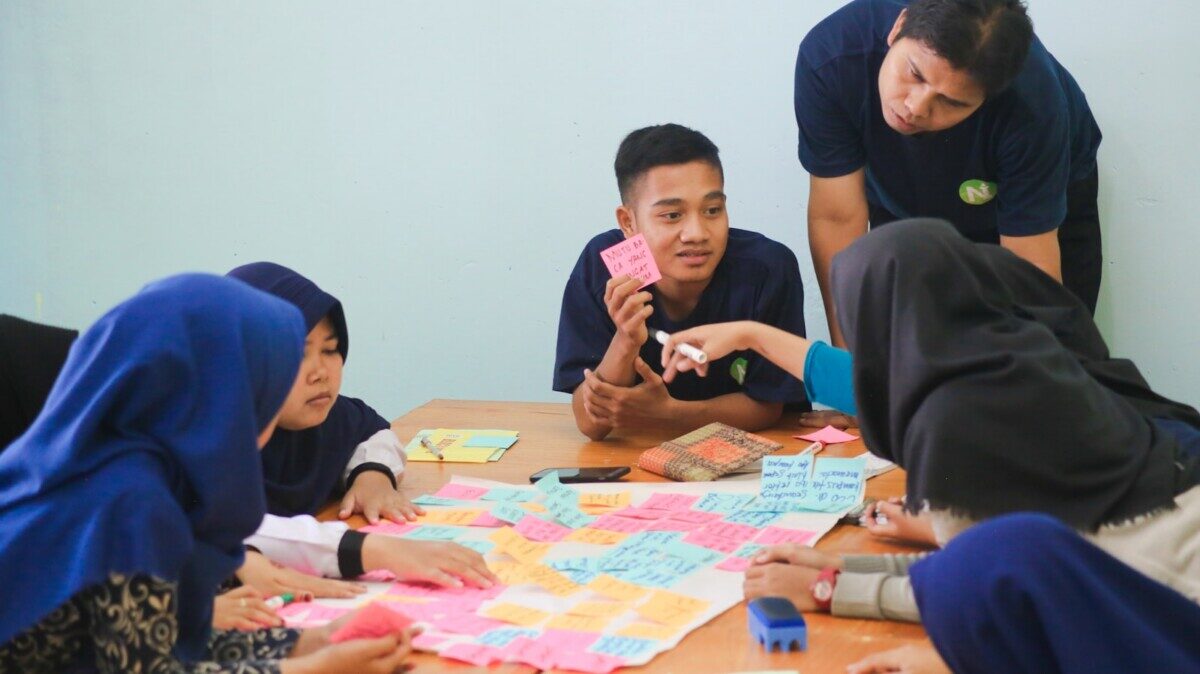
This approach can feel more time-consuming and possibly less structured. But through the experience of participatory action-research, I have come to realise that this way of working with young people requires sharing power and sitting with uncertainty, and that participation takes time. More importantly to me, young people are not only recipients of multilingual education but I found that they can be active knowledge contributors.
Young voices from a university
I’d like to shine light on an example of an International Mother Language Day celebration created by young people. The Bristol University’s Bangla Society event included a short presentation on the origins of IMLD, a multilingual quiz featuring languages spoken across their university, Bengali catering from a local restaurant and interactive activities such as writing names in “Bangla, Punjabi and Nepali”. There were also cultural performances, music and dance and fundraising for the Maternal Aid Association, which supports mothers and girls primarily in Bangladesh. They made the content, decided the format and connected language to history, community and social action. For how simple it may sound, it is important to remember that young people can meaningfully contribute to the debate and their voices matter more than we sometimes think they do.
For this IMLD and for the future days to come, alongside our displays and adult-led events, I’d like to encourage us all to centre youth voices (especially those whose languages are less visible) in order to be genuinely inclusive while celebrating.
 Find out more about multilingualism
- Join one of our Regional or Special Interest Groups
- Learn more about the last NALDIC annual conference
- Do you have a story to share? Write a post for the NALDIC blog