
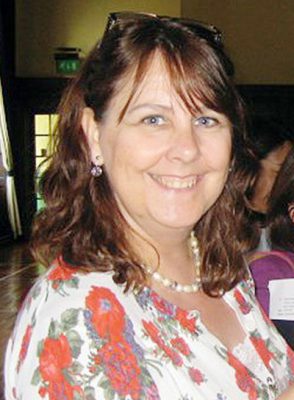
 Professor Yvonne Foley, Chair in Literacies and Language Education at the University of Edinburgh, reflects on the impact on institutions and society when EDI is diminished
In Edinburgh, we are starting the academic year with a strike. I share the reasons with the NALDIC community because what is at stake goes beyond one institution. It’s a matter of diversity and inclusion, with implications for the EAL sector too.
It took many years to bring to life learning programmes such as the Multilingual Learner post-graduate course. Programmes that specialise in Inclusive Education have been underpinned by values that seek to bring equality and justice to the lives of many families, children and young people. When we start to dismantle parts of programmes in our institutions that have been created and built on an ethic of justice and equity, we open ourselves up to becoming a ‘wounded democracy’ as we are tempted to bury or diminish the ethic and values that have taken much time, effort and pain to construct throughout our human history. The economic narratives tied to university programme closures across the UK, then, require us to talk about their validity and their long-term impact.
It has always been recognised that inclusive education programmes were never intended to be large revenue-generating assets within our institutions; instead, they were designed to develop specialists (e.g. EAL Coordinators) to work across many educational sectors. Such programmes address the injustices that have arisen in our societies – and seek to ensure that the rights of children and young people are guaranteed by specialised oversight in schools.
Inclusion as a concept and as a practice embodies the values that we seek to uphold and live by within a democratic society, such as justice, fairness, human rights, diversity, belonging and equity. Prioritising such values shapes who we become as human beings, how we live alongside another, and what we are as institutions. We are socialised into these values as we practise them and share them in our day-to-day lives, and we all need the space to cultivate them.
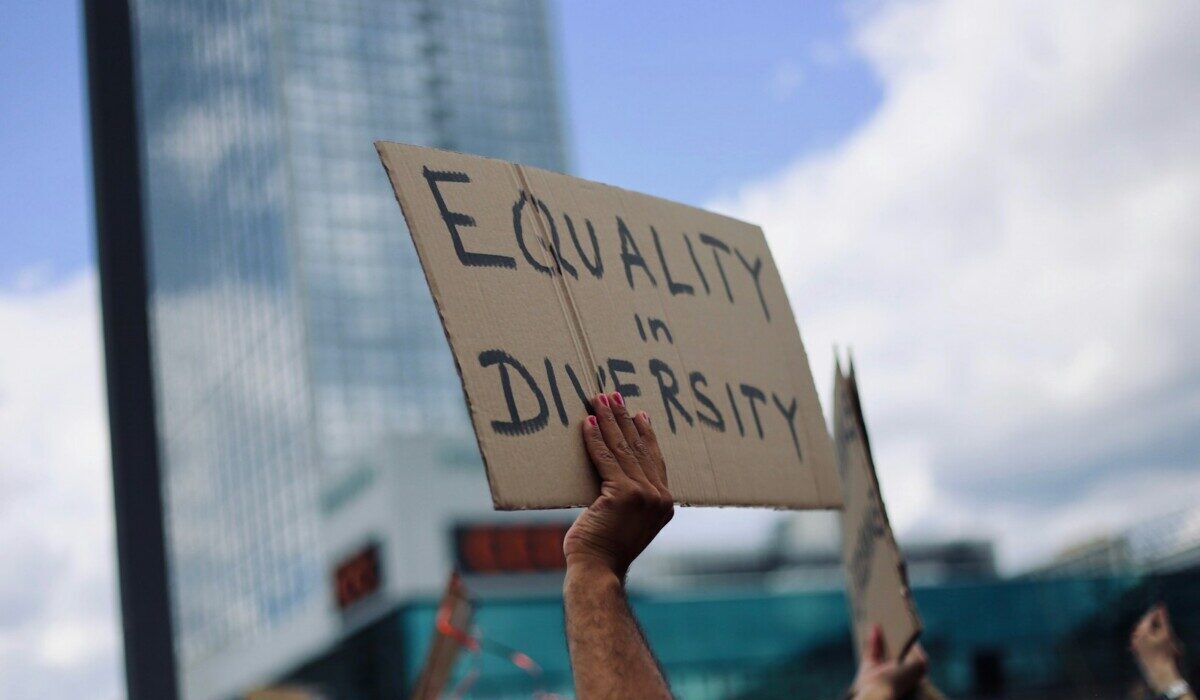
We have seen clearly on our screens what happens in societies and within governments when EDI (equality, diversity and inclusion) is stripped back, or framed as woke, or considered to be something that we don’t need. The abandonment of EDI in the United States serves as a reminder of how acts of cultural vandalism linked to concepts and practices of equality, diversity and inclusion affect the values and behaviours of people and societies at large.
This week, the UK Prime Minister talked about the seeds of hate that have been sown across the country. These narratives of hate are spread by populist and far-right groups and politicians, through the press and social media, challenging the values embedded in our nation’s understanding of justice and inclusion. But they do not represent all of us. Instead, many of us have embodied the values associated with our understandings of inclusion; we want a better story to live by. This story has been shaped by radical empathy, justice and grace – values that are woven into our collective historical consciousness across society.
You might ask, how are these issues in society more broadly linked to university programme closures? When we abandon programmes like EAL specialism to chase economic short-term gain, we limit the impact we have on the wider population. This lack of long-term vision reduces our exposure to the values and ethics that have shaped who we are and how we act as human beings. The discourses and ethics around inclusion get lost or diluted, resulting in a reshaping of the institution itself. But as Mosa Moshabela reminds us, “History will not judge our universities by their place in a ranking but rather by the discoveries made, the lives uplifted and the societies transformed”.
Get in touch
If you have been affected in any way by any of the recent disruptions to university programmes and EDI rolling back, please do get in touch with us through our NALDIC office (office@naldic.org.uk) and someone from our Executive Committee will get in touch with you